
ATMEGA32U4 USB programmable single chip microcomputer development board virtual keyboard with 50mm x 16mm compact PCB size, includes USB storage device for firmware loading and code development projects


ATMEGA32U4 USB programmable single chip microcomputer development board virtual keyboard with 50mm x 16mm compact PCB size, includes USB storage device for firmware loading and code development projects
ATMEGA32U4 USB Programmable Development Board for Virtual Keyboard Projects

This development board centres around the ATMEGA32U4 microcontroller, providing a dedicated platform for creating custom USB Human Interface Devices (HID) such as virtual keyboards. With compact 50mm x 16mm dimensions, the PCB fits into various prototype enclosures while maintaining full USB 2.0 capability. The included USB storage device simplifies firmware transfer, allowing developers to focus on programming rather than connection logistics. This board serves educational, prototyping, and custom hardware development needs where standard USB keyboard functionality requires modification or enhancement.
Features and Construction
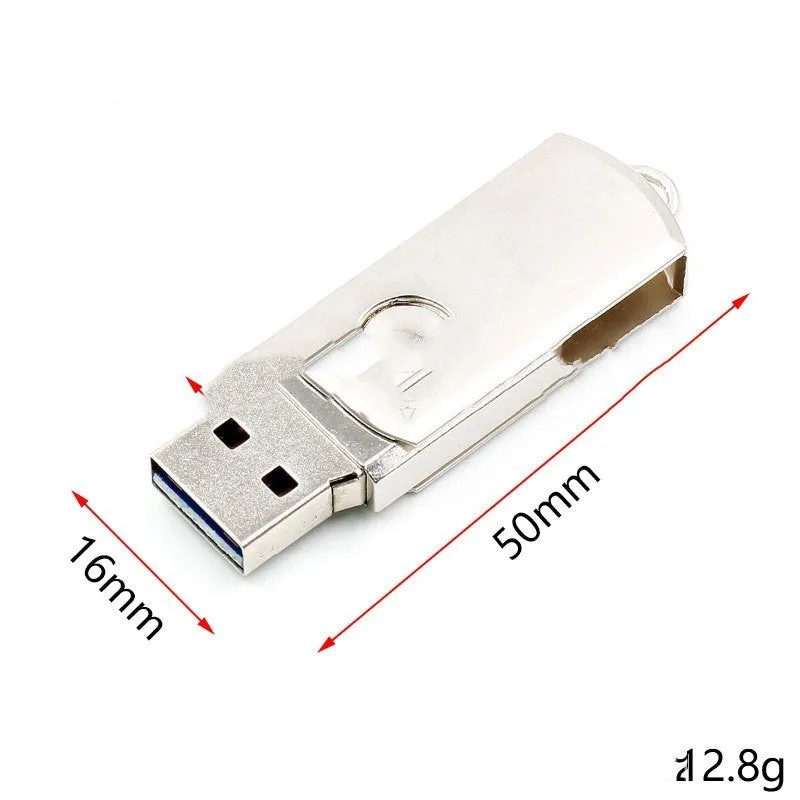
The development board's design prioritises both programmability and physical practicality for prototyping scenarios. Its construction balances component accessibility with size constraints to support various project requirements.
Material and Build
The board uses standard PCB substrate material with the ATMEGA32U4 microcontroller as its central component. This chip includes built-in USB transceiver circuitry, eliminating the need for separate USB interface chips and simplifying both the physical layout and programming requirements. Component placement accommodates typical prototyping workflows while maintaining signal integrity for USB communication.
Size and Practical Fit
With dimensions of 50mm by 16mm, the board occupies minimal space within prototype enclosures. This compact form allows integration into custom keyboard housings, embedded systems, or educational demonstration setups where physical footprint matters. The size supports both benchtop testing and final product integration stages of development.
Uses and Placement

The board serves multiple development scenarios, from educational exercises to professional prototyping work. Its USB HID capability opens various application possibilities.
Event or Professional Use
For professional applications, this board enables development of custom input devices for specialised software, accessibility tools, or industrial control interfaces. The virtual keyboard functionality can be programmed to generate specific key sequences, macros, or alternative input methods not available with standard keyboards. Integration into kiosk systems, point-of-sale terminals, or specialised equipment represents practical professional applications.
Everyday Home Use
For hobbyists and home developers, the board supports projects like custom game controllers, macro keyboards for streaming or productivity, or educational demonstrations of USB device programming. The included USB storage device facilitates straightforward firmware updates without requiring specialised programming hardware, lowering the barrier for beginners exploring microcontroller development.
Benefits and Buying Value
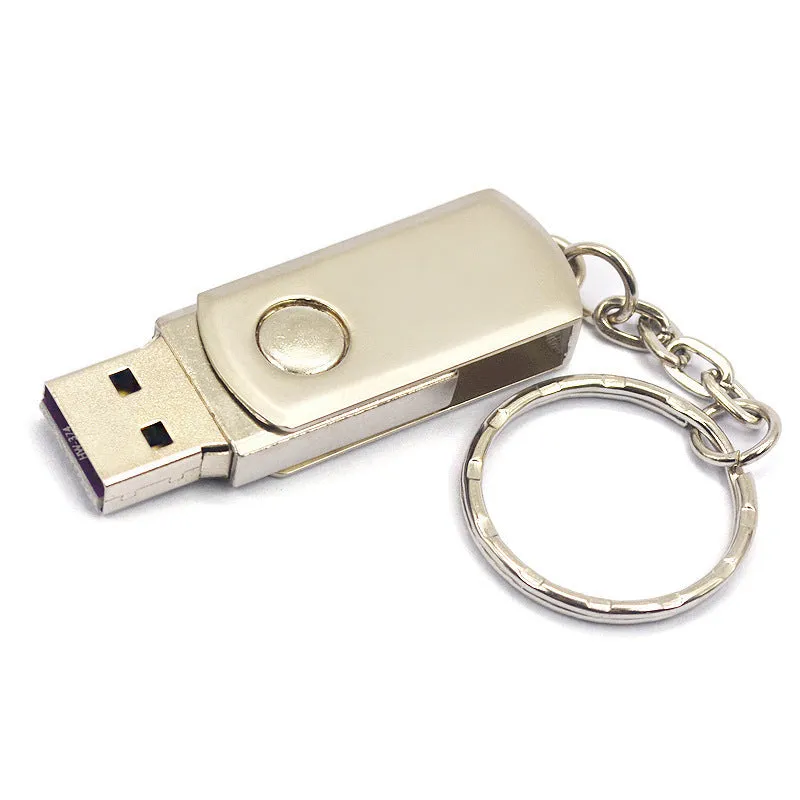
This development board offers practical advantages for programmers and hardware enthusiasts seeking USB HID development capability.
Reuse and Low Maintenance
The ATMEGA32U4 microcontroller can be reprogrammed multiple times, allowing the same hardware to serve different projects over time. The board requires minimal maintenance beyond occasional firmware updates, and its durable PCB construction withstands typical benchtop handling. The standard data rate ensures compatibility with common development tools and operating systems.
Why Choose This Product
This development board provides integrated USB functionality without additional interface components, simplifying both circuit design and programming. The compact 50mm x 16mm size offers physical flexibility for various enclosure designs, while the included USB storage device reduces setup time for new projects. For developers creating custom input devices or learning USB HID programming, this board delivers the necessary hardware in a practical, reusable format.
