
Imported alloy micro-engraving bit made from tungsten carbide for circuit board, electronics, SMT, die, and hardware processing with high wear resistance and strength in diameters from 0.10mm to 2.00mm


Imported alloy micro-engraving bit made from tungsten carbide for circuit board, electronics, SMT, die, and hardware processing with high wear resistance and strength in diameters from 0.10mm to 2.00mm
Imported Tungsten Carbide Micro-Engraving Bits for Precision Circuit Board and Hardware Processing

For professionals in electronics manufacturing, die making, and hardware processing, achieving clean, precise micro-engraving results requires tools that combine extreme hardness with reliable strength. These imported alloy micro-engraving bits are crafted from tungsten carbide, also known as cemented carbide or tungsten steel, a material selected for its technical properties in high-wear applications. Available in a comprehensive range of diameters from the ultra-fine 0.10mm up to 2.00mm, they address the need for a versatile toolset capable of handling detailed work across the communications, SMT, and general machining industries where material resistance and tool longevity are critical.
Material and Technical Construction
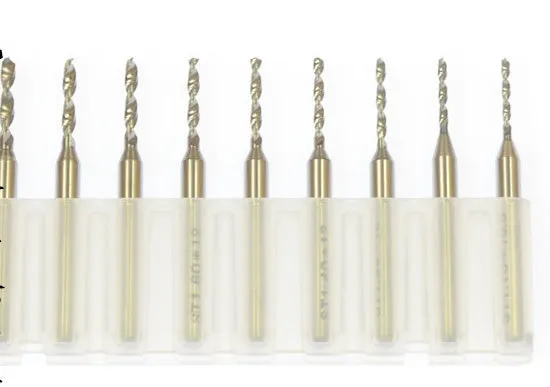
The core advantage of these engraving bits lies in their construction from imported tungsten carbide. This section details the material properties and how the bit's design supports various industrial applications.
Tungsten Carbide Material Properties
The bits are manufactured from imported cemented carbide, commonly referred to as tungsten steel or tungsten carbide. This material is specified for its high hardness, which directly contributes to its high wear resistance during prolonged use on abrasive or tough workpieces. The source text also highlights the material's high strength, along with specific resistance to bending and fracture. These combined properties make the bit suitable for the precise, often high-pressure environments of micro-engraving, where tool deflection or breakage can ruin a workpiece.
Precision Engineering for Micro-Details
Engineered as micro-engraving bits, their design focuses on maintaining integrity at very small diameters. The availability of sizes as fine as 0.10mm demonstrates a capability for extremely detailed work, such as trace repair on circuit boards or fine marking on precision dies. The progression of sizes up to 2.00mm provides a tool for both initiating fine details and completing slightly broader engraving channels or marks, offering flexibility within a single material and tool type for complex projects.
Industry Applications and Use Cases
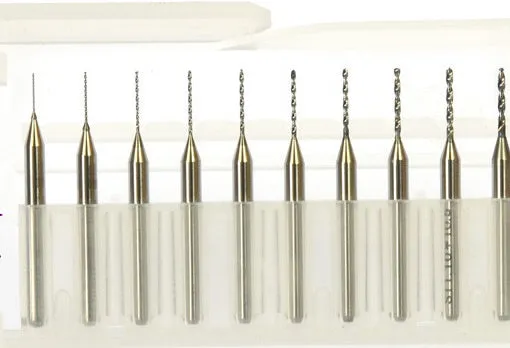
With their specific material and size range, these bits serve distinct roles in several technical and manufacturing fields. This section outlines the primary industries and typical tasks where they are applied.
Electronics and Circuit Board Processing
The bits are directly applicable to the circuit board and electronics industries. Their fine diameters, particularly those below 0.50mm, are ideal for precision work on PCB substrates, including engraving, drilling for micro-vias, or modifying SMT (Surface-Mount Technology) pads. The wear resistance of tungsten carbide is beneficial when working with fibreglass and other composite materials used in electronics, helping to maintain a sharp cutting edge and consistent performance over multiple operations, which is crucial for batch production.
Die, Mold, and General Hardware Machining
Beyond electronics, the product range suits die and mold making, where engraving logos, serial numbers, or texture patterns into hardened steel or alloy surfaces is required. The high bending resistance is key here, as lateral forces can be significant. For general hardware processing, the bits can be used for precision marking, shallow engraving for part identification, or creating fine details on metal components. The strength and fracture resistance support their use on these typically harder materials common in the hardware sector.
Selection and Operational Value
Choosing the correct tool involves understanding the specification range and the practical benefits this particular product offers. This section helps users assess the fit for their workshop or production line.
Navigating the Complete Specification Range
The product offers one of its main practical benefits through its complete specifications. With 33 distinct diameter options listed, from 0.10mm to 2.00mm, users can select a bit that matches their exact requirement without needing to compromise or use an ill-fitting size. This range allows for a single source for various micro-engraving needs within a workshop, simplifying procurement and inventory. The inclusion of ten-set options for certain popular sizes (0.10mm, 0.30mm, 1.1mm) suggests recognition of higher-usage diameters where having multiples on hand reduces downtime.
Why Choose This Imported Tungsten Carbide Bit
The decision to use this micro-engraving bit rests on its material credentials and size specificity. For tasks demanding precision on hard or abrasive materials, the imported tungsten carbide construction provides a tangible advantage in terms of reduced wear and lower frequency of tool changeovers compared to standard high-speed steel bits. The explicit mention of "imported" cemented carbide may indicate a specific grade or manufacturing standard sought after in professional environments. When the application involves circuit boards, delicate dies, or precise hardware components, having a tool that combines fine dimensions with high strength directly addresses the core need for accuracy without tool failure.